Solar Panels in Pakistan: A 2026 Buyer’s Guide to Real Savings
Electricity bills in Pakistan keep climbing, and homeowners are done waiting for relief. Investing in solar panels in Pakistan has shifted from a luxury to a practical financial decision, especially as tariffs rise and net-metering rules mature in 2026. This guide walks you through what actually matters before you spend a single rupee.
We have installed and audited enough rooftop systems to know where buyers get burned and where they win big. Below, you will find the numbers, the trade-offs, and the checklist that separates a smart purchase from an expensive mistake.
Why Solar Panels in Pakistan Make Sense Now
The math has never been friendlier. Grid tariffs for protected and unprotected residential slabs have grown steadily, while panel prices have fallen sharply over the past five years. A well-designed system now pays for itself in roughly three to five years, then delivers nearly free power for two more decades.
Beyond savings, solar buys you independence. Load-shedding still hits many cities during peak summer, and a hybrid setup keeps your fans, lights, and refrigerator alive when the grid stumbles. For a growing number of families, that reliability alone justifies the switch.
What size system do most homes need?
A typical urban household with air conditioning lands somewhere between 5kW and 10kW. Smaller flats and energy-conscious families can thrive on 3kW. The right size depends on your monthly units consumed, not on what a salesperson wants to upsell you.
- 3kW system — small home, 300–400 units/month, minimal AC use.
- 5kW system — mid-sized home, one or two AC units, the most common choice.
- 10kW system — large home, multiple ACs, or a small commercial setup.
- 15kW and above — villas, offices, and net-metering enthusiasts.
Choosing Quality Solar Panels in Pakistan
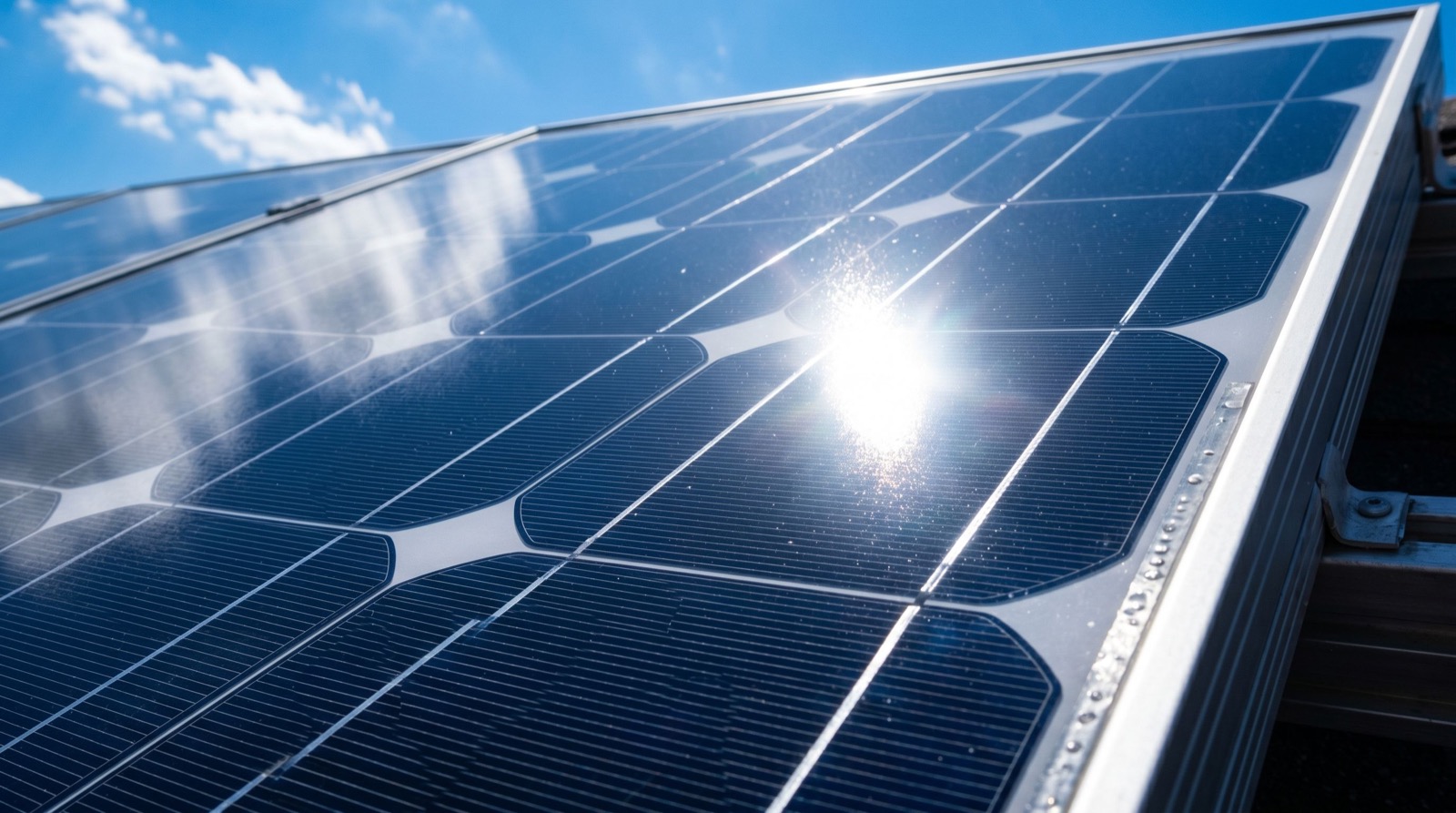
Not all panels are equal, and the sticker price rarely tells the full story. Tier-1 monocrystalline panels dominate the serious market because of higher efficiency and longer warranties. Cheaper polycrystalline or unbranded imports can look attractive until you compare degradation rates and after-sales support.
When you shop for solar panels in Pakistan, insist on documented efficiency ratings, a 25-year performance warranty, and verifiable serial numbers. A reputable supplier will hand these over without hesitation.
Panel comparison at a glance
| Panel Type | Typical Efficiency | Warranty | Best For |
|---|---|---|---|
| Monocrystalline (Tier-1) | 20–22% | 25 years | Limited roof space, long-term ROI |
| Polycrystalline | 15–17% | 10–15 years | Tight budgets, large roofs |
| Bifacial mono | 21–23% | 25–30 years | Ground mounts, reflective rooftops |
Don’t Forget the Balance of System
Panels grab the headlines, but the components around them decide whether your investment lasts. Mounting structures, DC cables, protection devices, and connectors all affect safety and output. Skimping here is the single most common regret we hear from buyers.
Quality mounting keeps your array stable through monsoon winds, while proper surge protection guards your inverter during load fluctuations. Sourcing genuine solar accessories in Pakistan ensures every connection is rated for local conditions rather than improvised on site.
According to the International Energy Agency, solar PV remains the fastest-growing power source globally, and that scale is exactly why component quality and standardization keep improving each year.
The Installation Process, Step by Step
A clean installation is predictable when you work with professionals. Rushing this stage leads to leaks, shading losses, and net-metering headaches that haunt you for years.
- Site survey — roof orientation, shading, and structural check.
- System design — panel layout, string sizing, and inverter selection.
- Documentation — net-metering application with your DISCO.
- Installation — mounting, wiring, and inverter commissioning.
- Inspection and handover — testing, monitoring setup, and training.
If you want the job done without shortcuts, partner with reliable local experts who understand DISCO paperwork and warranty claims in your region.
How long does approval take in 2026?
Net-metering approval timelines vary by distribution company, but many applications now clear within four to eight weeks when documents are complete. Working with an installer who files these regularly saves you weeks of back-and-forth.
Budgeting Realistically
Prices move with the dollar and panel supply, so treat any quote as a snapshot. Still, understanding the rough breakdown helps you spot padding.
- Panels — usually 35–45% of total system cost.
- Inverter — 15–25%, depending on hybrid or on-grid.
- Structure and accessories — 10–15%.
- Installation and net-metering — 10–20%.
Cheaper is not always better. A rock-bottom quote often hides thin cables, weak structures, or a no-name inverter that fails after the first summer.
Common Mistakes First-Time Buyers Make
Most solar regrets trace back to a handful of avoidable errors. Learning them now saves you money and frustration later.
- Sizing by budget, not usage — a too-small system leaves you still paying heavy grid bills.
- Ignoring shading — a single tree or tank can slash generation across a whole string.
- Chasing the cheapest quote — thin cables and no-name gear cost more within a few years.
- Skipping net metering — you lose credit for the surplus power your roof exports.
- Forgetting after-sales — a supplier who vanishes leaves your warranty worthless.
Each of these mistakes is easy to dodge once you know the pattern. A short conversation with a genuine installer usually surfaces them before you commit.
Getting the Most From Your Rooftop
A good system rewards a little attention. Orientation, tilt, and cleanliness all influence how many units you harvest each month, and small habits add up across a year.
South-facing arrays generally capture the most sunlight in Pakistan, while a modest tilt helps rainwater rinse away dust. During the dry, dusty months, a quick clean can restore several percent of lost output almost instantly.
Does weather affect solar output in Pakistan?
Yes, but perhaps less than you fear. Panels still generate on cloudy days, just at reduced levels, and the country’s abundant sunshine means annual output stays strong. Extreme heat slightly lowers efficiency, which is why proper ventilation behind the panels matters in system design.
Seasonal planning helps too. Winter days are shorter, so households that understand their seasonal curve set realistic expectations and avoid unnecessary worry about a normal winter dip.
Frequently Asked Questions
Are solar panels in Pakistan worth it in 2026?
Yes. With rising tariffs and falling hardware costs, most quality systems pay back in three to five years and then supply low-cost power for 20-plus years.
How long do solar panels last?
Tier-1 monocrystalline panels typically carry a 25-year performance warranty and often keep producing usefully beyond that, with only gradual efficiency decline.
Do solar panels work during load-shedding?
An on-grid system shuts off for safety when the grid is down. A hybrid system with batteries keeps essential loads running through outages.
What maintenance do panels need?
Very little. Periodic cleaning to remove dust and an annual inspection of wiring and mounts keep output high across the year.
The Bottom Line
Choosing solar panels in Pakistan is less about the lowest price and more about the total value you receive over 25 years. Focus on Tier-1 hardware, genuine accessories, professional installation, and a supplier who stands behind the warranty. Do that in 2026, and your rooftop becomes a quiet, dependable investment that shrinks your bills every single month.